Find a local engine repair shop above: Type "engine" in repair type and enter your location to find a local engine mechanic
DREADED CHECK ENGINE LIGHT: DON'T PANIC!
We've all experienced the anxiety of the check engine light. You get in the car, put the key into the ignition, turn the switch and bring the engine to life, just as you’ve done thousands of times before. Out of nowhere the check engine light glares at you, sinking your heart a few inches into your stomach, blinking incessantly as if trying to mock you with an orange message of an expensive foreboding disaster.
There’s no need to worry until you gather some information. There are many causes and potential reasons why that fluorescent demon on your dashboard decided to come to life. True, the dreaded check engine light could be the precursor for a serious mechanical issue; however, it could also be something as simple and innocuous as a loose gas cap.
To properly diagnose the cause of the check engine light, you must take your vehicle to a dealer or mechanic for a professional diagnosis. The sooner you do so the better. Once at the garage or dealership, the technician will be able to connect a computerized scanner to your vehicle to obtain the trouble codes stored within the system. The technician will then locate the corresponding codes in the service manual for your vehicle. The manual provides hundreds of possible codes with detailed descriptions on how to proceed in the diagnostic testing of the vehicle.
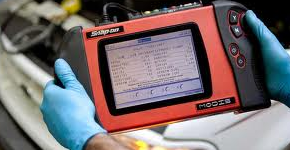
The codes themselves don’t determine exactly what parts are defective; they simply provide information as to where to look for the problem. They tell which engine parameter is outside of the normal range. This means that if anything is not 100 percent perfect under the hood, the check engine light will come on.
The truth of the matter is more often than not, the check engine light does not indicate major engine repairs. The most common problems are emission control malfunctions. The emission control system monitors the air your engine produces. If your vehicle's engine is producing higher than normal emissions (pollution) it can set off the check engine light. The second most common trigger for the check engine light can be simply forgetting to screw on your gas cap tight enough. This means if the gas cap is not on properly or as not as tight as it should be, the engine senses a change in pressure and presumes there is a problem. Tighten the gas cap to avoid this problem and solve it.
Other possibilities include a wet engine or bad spark plugs.
A wet engine can also cause the check engine light to come on. If water drips onto a spark plug it can cause a short which will result in the warning light coming on. Blasting water into all parts of the engine while washing the vehicle with high pressure water can also cause the light to make an appearance. Try not to be so relentless with the water gun the next time you wash the car.
If your spark plug wires are in poor condition the check engine light can come on. When spark plugs age they often develop minuscule cracks capable of releasing small bursts of electricity. The electricity intended for the spark plug is decreased and the engine will misfire. Examine the wires of the spark plugs for small cracks and holes, particularly near the ends of the wires. If the wires look old or worn out, they most likely need to be replaced. Check the spark plugs when the engine is turned off to avoid the possibility of electrocution. Electrocution will definitely not shut off the check engine light or make your afternoon any better.
There are many possible reason for your check engine light to come on and not all will ruin your day. Try not to worry too much until you get the situation professionally diagnosed.